1
2
3
4
5
6
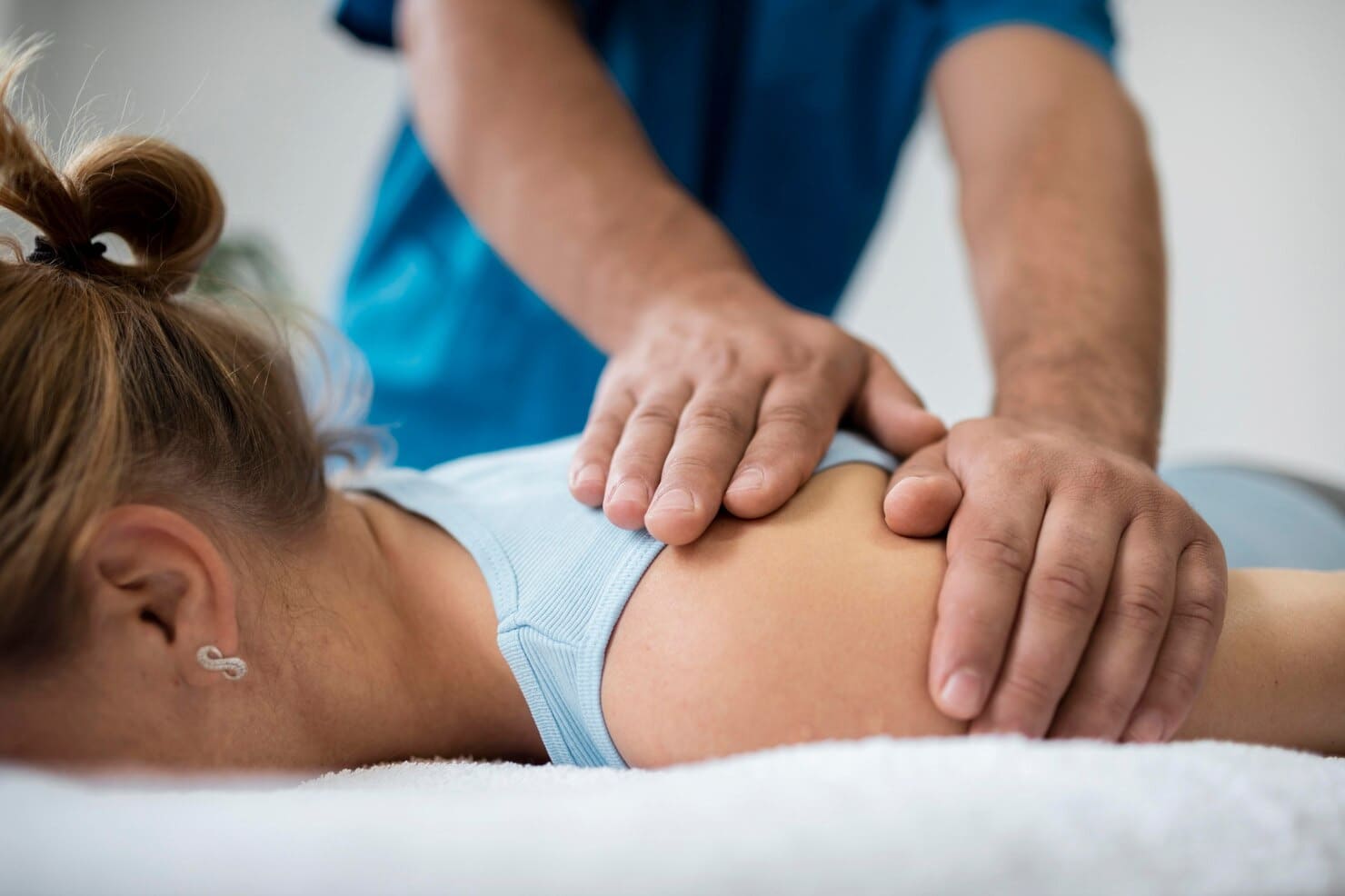
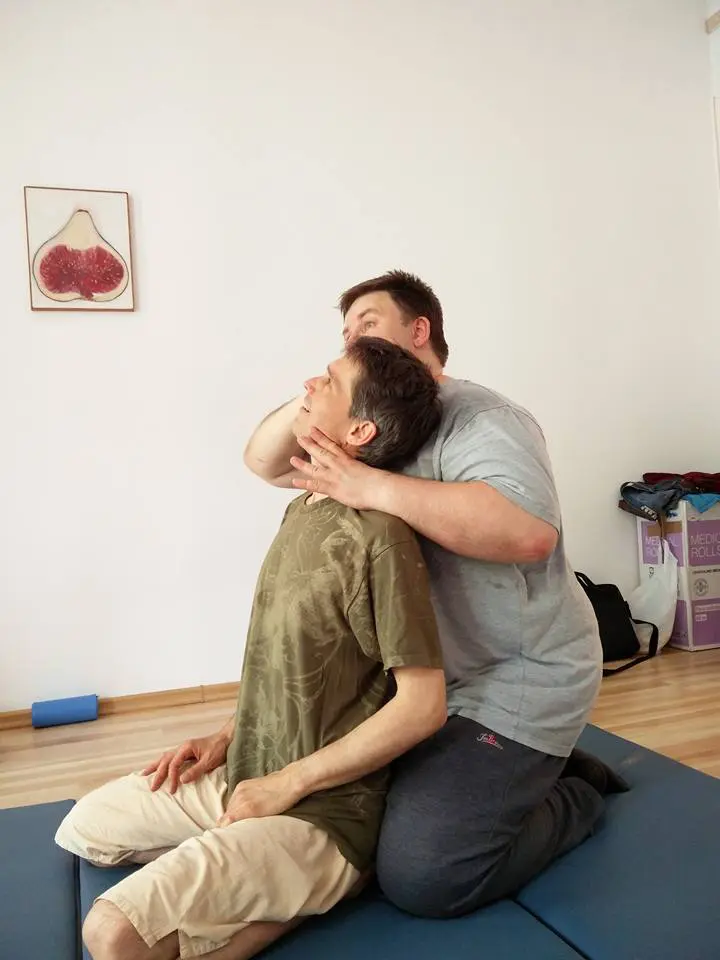
Manual therapy as a practical part of medicine deals with the study and treatment of functional disorders of various structures of the musculoskeletal system, in particular the spine. Before starting the therapy, a medical interview, palpation, and functional examination of the musculoskeletal system are performed with the patient. This examination is performed both at rest and during active and passive movements. These are passive physiological movements, i.e. consisting of rolling and sliding of articular surfaces, and passive movements imitating the "joint play", i.e. displacement of the surface of the articular cartilage specific for each joint.
Hello and welcome to Rehealth.me.
My name is Titsian Zavatzki and I am a certified leech therapist and manual therapist based in Milton Keynes.
Manual Therapy is a type of physical therapy that involves manipulating the soft tissues of the body to relieve pain, improve mobility, and restore function.
Manual therapy can be used to treat various conditions such as:
- Back pain
- Neck pain
- Headaches
- Arthritis
- Sports injuries
- And more
Manual therapy works by applying pressure, stretching, mobilizing, or manipulating the muscles, tendons, ligaments, fascia, nerves, and joints of the body.
This can help:
- Reduce inflammation
- Increase blood flow
- Release tension
- Improve alignment
- Stimulate healing
Manual therapy can be combined with leech therapy for a holistic approach to health and wellness.
Feel free to leave a comment or contact me if you have any questions or feedback.
The therapist assesses the appearance and consistency of soft tissues, the scope and quality of movement of bone elements and the nature of the resistance occurring during the movement of individual structures of the movement system in relation to each other. He studies passive movements of the spine and assesses the responses of the motor system to factors harmful to the structures of this system.
The manual therapy procedure itself is completely painless, and thanks to the appropriate patient positioning and technique, the intended therapeutic effect is achieved.
Functional changes in the musculoskeletal system, which are the cause of the pain syndrome, disappear after one or more manual procedures.
The treatments contribute to the shortening of the treatment time, with the simultaneous increase in mobility and the ability to undertake work, while limiting the pharmacological treatment at the same time.
Manual therapy treatments effectively treat, among others:
In order to prepare the patient for the procedure, and then consolidate the therapeutic effect of manual therapy treatments and act prophylactically, therapeutic massages, post-isometric muscle relaxation and exercises relaxing or strengthening specific parts of the muscles of the whole body are used.
The patient receives a lot of information on the activities of everyday life, such as how to sleep, sit, lift heavy objects, etc., and sets of exercises to do at home. A follow-up visit is scheduled to check the effectiveness of the treatment and to adjust the course of home treatment.
Manual therapy
Manual therapy is a method of physiotherapy that uses a whole range of techniques, grips, and patient positions. In manual therapy, diagnostic and therapeutic techniques are used to detect the causes and develop treatment methods for diseases of the spine and motor system. Indications for manual therapy are, among others: pain in the sacro-lumbar region of the spine, sciatica, muscle pain or headaches. The most important tasks of manual therapy include helping to regain freedom of movement in the joint and reducing ailments. Joint blockage is the most common problem in musculoskeletal dysfunction. This condition is reversible and usually affects several directions of movement. The classic idea of manual medicine is that the therapist performs various techniques and treatment methods in the form of thrusts, mobilization, and manipulation in strictly defined directions with the appropriate force and speed, using the correct body position. It is worth noting that manual treatments are highly effective and they are one of the most difficult to precisely perform by a therapist in the process of rehabilitation.
Manual therapy - indications
The main indications for manual therapy include:
Manual therapy – contraindications
In the case of manual procedures, contraindications are divided into relative and absolute.
Among the relative contraindications, i.e. those that do not always determine the impossibility of using the therapy, there are diseases such as:
The absolute contraindications for therapy are:
Manual therapy - how to prepare before visiting a physiotherapist?
When choosing to undergo manual therapy, be prepared to expose the area of the body to be treated. This allows for a very precise positioning of the applicator, which are the hands of the therapist, and is necessary to properly perform a given technique. It is worth taking a loose sports outfit that does not restrict your movements. You should also take all current test results with you as they may be particularly useful. It is obligatory to inform the therapist about taking medications, additional diseases, and the possible earlier course of the rehabilitation process.
The frequency of treatments depends on the type of dysfunction and the nature of the ailment (acute or chronic). Most often, however, manual rehabilitation takes place every few days. It is highly effective - often the pain after manual therapy stops completely.